

Based on the report of Games Industry biz, 95% of game studios are aiming to release a live service game. The reason behind is the time it takes to make a game. For traditional games, the typical lifespan is 2 to 3 years, while for live production, this lifespan is over 5 years. It seems that live game products are becoming more popular in the market with this potential, which can change the global making market.
So we come to a question, what are live service games? Why do so many people desire to produce these games? Let’s visit our article to respond to the questions.
What are live service games?
It can be easily understood that live service games (LSGs) represent the latest evolution of what has come to dominate gaming. Where developers focus on long-term engagement through continuous updates, events, and downloadable content (DLC), instead of selling games for one-time cost to consumers. Unlike traditional games that end once the player finishes a campaign, live service games evolve over time based on player feedback, new content, and market trends. This model aims to keep players invested long after the initial release, ensuring continuous engagement and revenue.

DLC on Steam of ARK - a top live service game since 2015| Cre: Reddit community
Live service games history
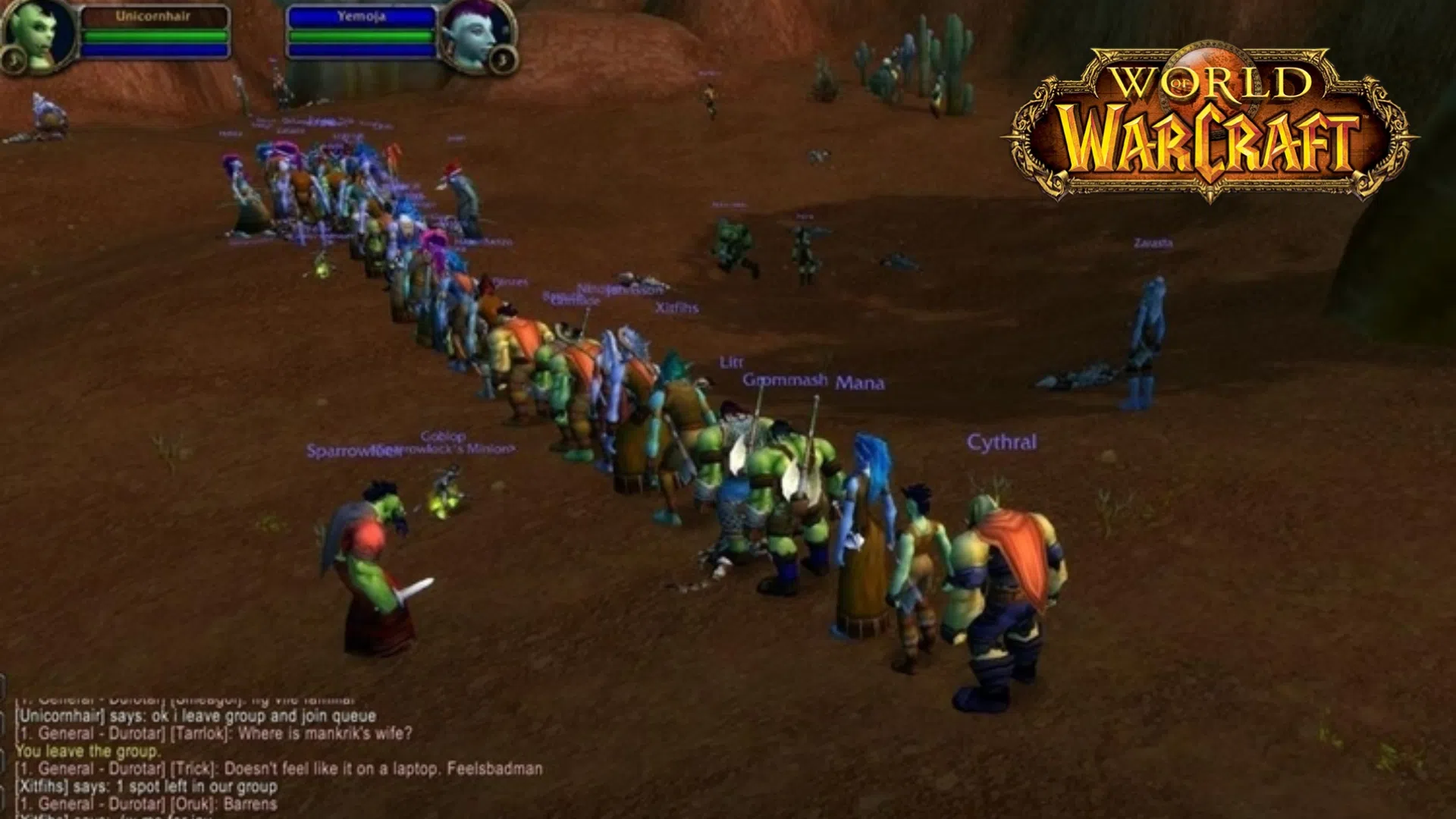
World of Warcraft 3: Gameplay in early 2000s| Cre: MMORPG
The idea of live service games proliferated in the mid-2010s, yet its origins can be traced back to massively multiplayer online games (MMOs) like World of Warcraft in the early decades. It paved the way to live service games that now offer expansions, updates and real-time community events regularly which kept players engaged over time. However, it wasn’t until games like Valorant (2019) and Fortnite (2017) that live service games became the norm of gaming.
How to make live service games successful
Creating a successful live service game is not an easy task. It requires more than just pushing out new content, developers need to strike the right balance between engagement, community involvement, and monetization. So what are the key ingredients to success?
- Consistent Content Updates: Gamers expect frequent and meaningful updates to keep them invested. Without this, interest fades quickly.
- Player Engagement: Keeping players involved requires a deep understanding of community desires and behavioral trends. Offering events, seasons, and limited-time content helps maintain excitement.
- Balancing Monetization: The biggest challenge in GAAS is avoiding pay-to-win mechanics. Developers must find a balance between generating revenue and ensuring that in-game purchases remain optional rather than essential to success.
- Technical Stability: Nothing drives players away faster than a game plagued with bugs, server outages, or compatibility issues. Ensuring smooth gameplay is critical to maintaining player loyalty.
Now let’s go to some of the most successful live service games on the market that you may have heard of at least once.
Live Service Games examples
Fortnite
Epic Games believes that Fortnite is the finest live service game because of its popularity. In order to keep players interested in the game after its first release, the developer invested in Fortnite and provided frequent updates and new features. Apart from offering cosmetic microtransactions like new weapon skins, Fortnite also often hosts in-game events and partners with well-known properties to attract more players, including Marvel Studios for the creation of a Spider-Man outfit.

Fortnite collaboration with Marvel - Spiderman| Cre: inkl
Valorant
Valorant is a tactical shooter genre game that is currently popular with gamers. Riot Games regularly introduces new assets like environments and weapon skins, keeping the game visually appealing and engaging. More importantly, their monetization strategy focuses on cosmetics, avoiding a pay-to-win system. This ensures gameplay remains skill-based and fair, which attracts and retains a dedicated player base. By prioritizing player satisfaction and game balance, Valorant has built a lasting, successful live service model.

Valorant's new patch updates content| Cre: Valorant
Monopoly Go
Scopely has successfully won the top casual game launch of 2023 award with Monopoly Go. This live service game has brought a worthy result for all the investment that the developers have put into it, by becoming the fastest game to reach 3$ billion in the world. The reason behind this success is that the developers have invested in Monopoly Go with live updates in an engaging gameplay. Otherwise, the innovation in this project comes from the connectivity in the game community across the world.
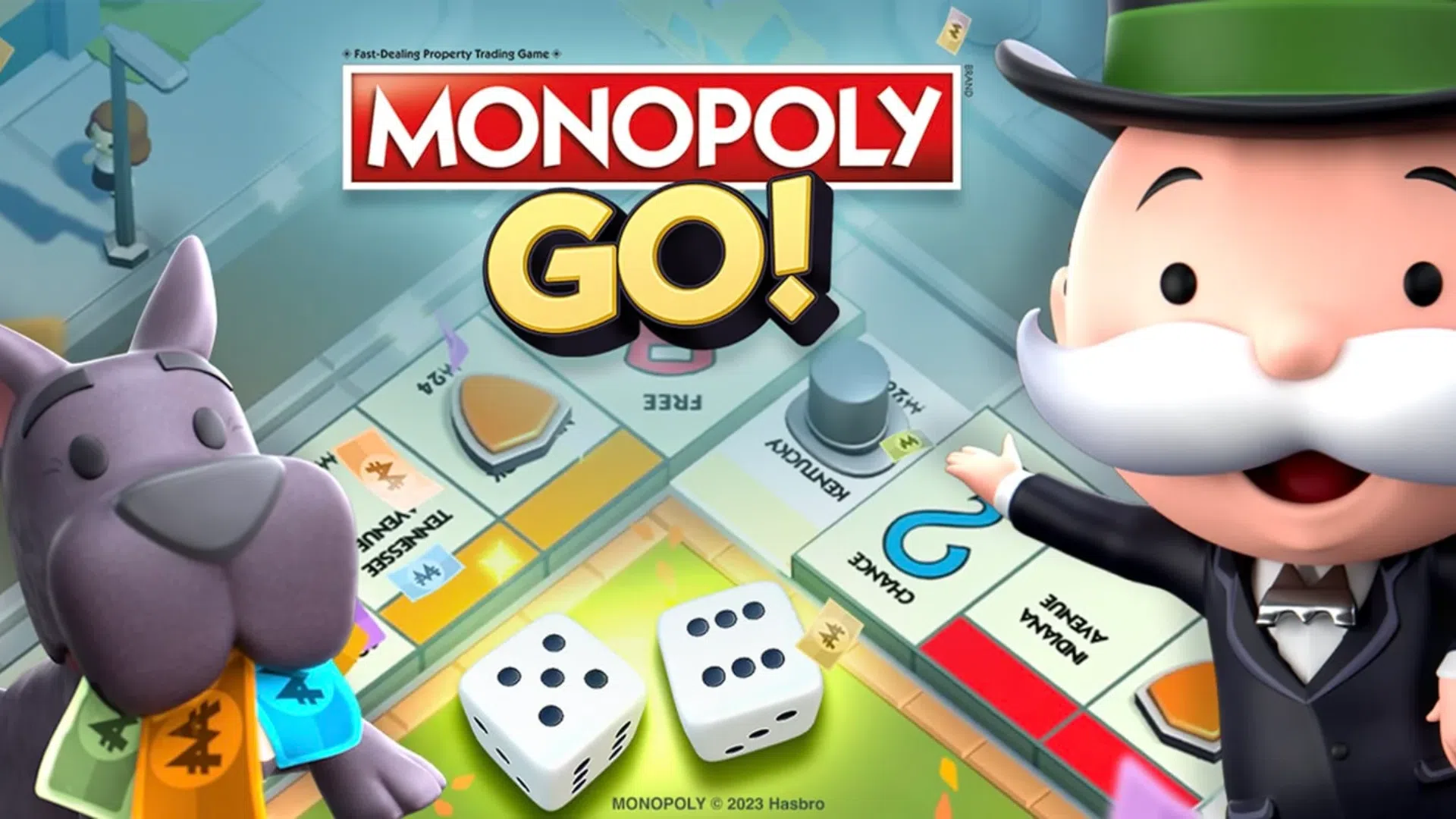
Monopoly Go - Top live service game in 2023| Cre: Yodo
All of these games have common points when every game integrates frequent updates, strong player engagement through community interaction, and a monetization system that doesn’t disrupt gameplay balance. Players feel incentivized to continue playing without the frustration of feeling outmatched due to monetary advantages.
How GAAS model can shift the future of live service games
Game as a service definition
So, what does the future of live service games depend on? It is believed that it is because of the Game as a Service (GAAS) model. Many people are confused about the two terms, Live Service Games and Game as a Service, but there is a significant distinction. It is easy to be confused between these two concepts, as both involve offering video games or game-related content through a recurring revenue model. So, what is game as a service?
Game as a service (GAAS) definition includes not just the hardware required to run a video game, but also the game monetization model. Essentially, GAAS is a mechanism to monetise games after they go on sale in a variety of ways, including subscriptions, maintaining a free distribution model, or just purchasing an in-game item. The most crucial factors for successfully operating a GAAS business are long-term developer support, new and relevant content, and the retention of a paying audience.
The GAAS model represents a shift in how games are developed, marketed, and monetized. As more developers and publishers adopt this model, the gaming industry will continue to evolve. However, this future presents both opportunities and challenges.
The impact on live service games

- Monetization Strategies: A clear benefit of the GAAS model is its ability to generate consistent revenue through microtransactions, season passes, and subscriptions, allowing developers to sustain profits long after launch. Yet, this approach carries risks. Relying too heavily on microtransactions can frustrate players and detract from the core gameplay if not carefully balanced. The future of GAAS will hinge on fine-tuning these strategies to support, rather than disrupt, the player experience.
- Personalization and Community Engagement: Another promising aspect of live service games lies in their capacity for personalization. Players today want tailored experiences, from character customization to dynamic gameplay that adapts to their preferences. This personalization, along with strong community engagement through events and social platforms, is critical for long-term success. However, keeping up with the demand for new content and continually evolving features can be a daunting task for developers.
- Esports and Streaming Integration: The rise of live service games has paralleled the explosion of esports and game streaming. These platforms not only generate additional revenue but also serve as marketing tools, keeping a game in the spotlight. Titles like Fortnite and League of Legends have built entire ecosystems around competitive play and generating revenue. Meanwhile, they also trying to keep the game in the public eye.
- Industry Impact: As more developers transition to the GAAS model, it will have a profound effect on the broader gaming industry. Traditional one-off releases may become less common as companies prioritize long-term engagement and monetization. However, this shift also brings concerns about oversaturation. If too many games adopt the live service approach, players may grow weary of the constant updates and ongoing monetization, leading to potential backlash and fatigue in the market.
Conclusion
The Game as a Service model is redefining how the gaming industry approaches development, marketing, and monetization. However, it can be seen that to deploy Live Service games as a GAAS model for gaming businesses, it is crucial to always have continuous content updates, seasonal collaborations and event bases to keep players interested.
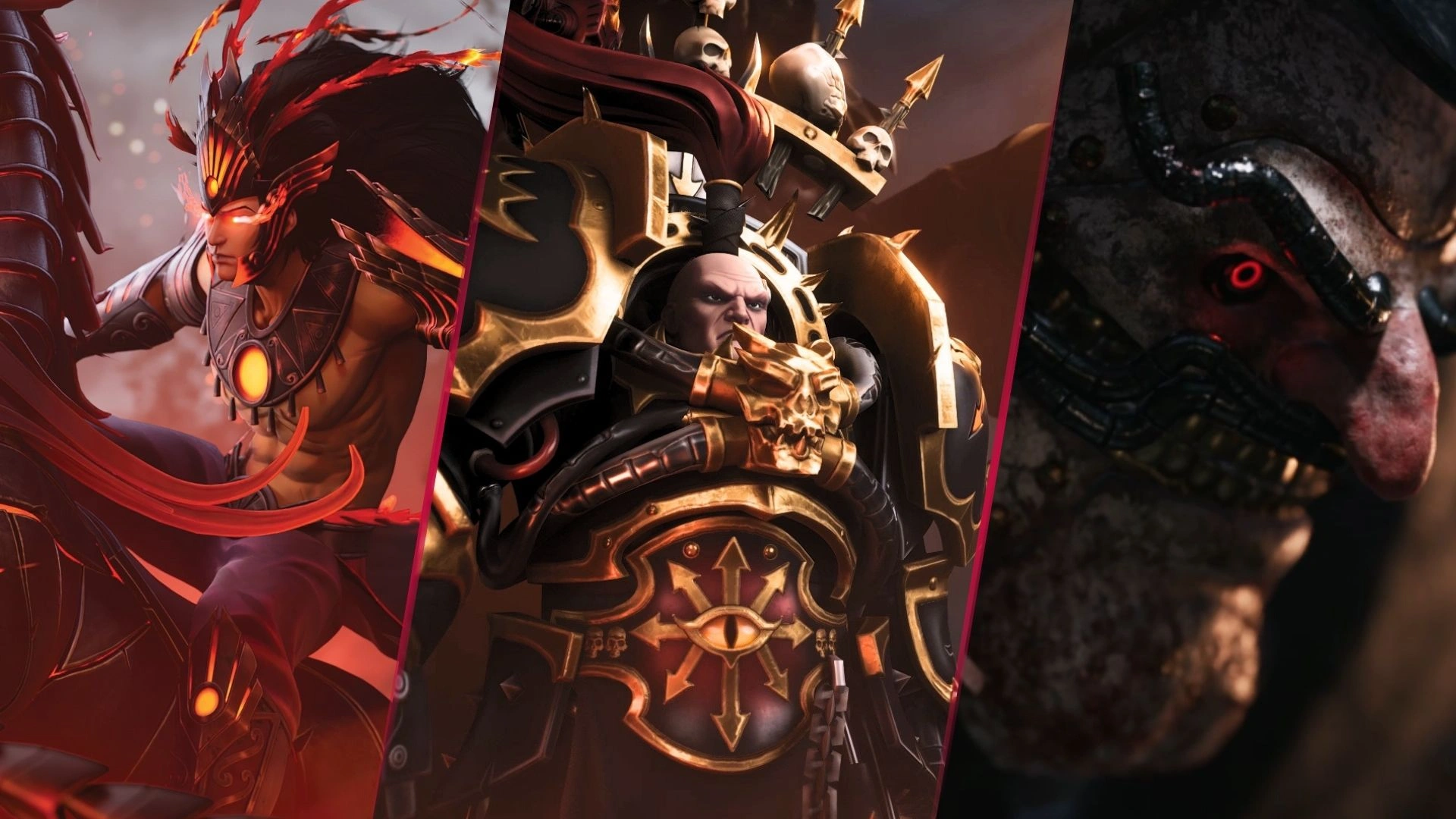
Therefore, the art team has a very heavy workload while fresh assets and material are being updated. It is hard to deny that the strong development of a live service game is dependent on game art outsourcing, which provides high-quality art to some extent. A classic example is Thunder Cloud Studio with ten years of experience in the game art outsourcing sector. As a result, we are aware that live service game developers who are undergoing content updates are unable to handle the high volume of assets. In order to guarantee that their content upgrades run smoothly while they are in use, Thunder Cloud Studio has worked on a number of noteworthy live service game projects, such as: