

Why Cutscenes Are Critical to Storytelling in AAA Games
Cutscenes have become an essential part of cinematic storytelling in modern game development. Beyond their visual appeal, they bridge emotion, gameplay, and narrative, helping players connect deeply with a game’s world and its characters. For studios and publishers aiming for immersive experiences, mastering the art of the video game cutscene is vital.
What Are Cutscenes?
Cutscenes are non-interactive sequences that pause gameplay to deliver story moments, character interactions, or visual transitions. They can be pre-rendered or run in-engine, helping convey emotion and context without breaking the game’s flow. Whether cinematic or minimalist, they serve as a bridge between narrative and action, keeping players emotionally invested.
There are four main types of cutscenes in modern game production:
- Real-time cutscenes (or in-game cutscenes): Rendered within the game engine for visual consistency. These are the most common in AAA games, seen in God of War: Ragnarök and The Last of Us Part II.
- Pre-rendered cutscenes (or in-engine cutscenes): Produced outside the engine with high-end visuals and detailed compositing, as in Final Fantasy XVI and Cyberpunk 2077.
- Interactive cutscenes: Let players influence outcomes or camera movement, blending storytelling with gameplay. Examples include Detroit: Become Human and The Witcher 3.
- Mixed-media cutscenes: Combine in-engine and pre-rendered elements, balancing performance and fidelity, as seen in Metal Gear Solid V and Destiny 2.
Watch 20 Greatest Video Game Cutscenes of All Time.
Among these, real-time cutscenes dominate because of their flexibility and seamless integration with gameplay.
The Storytelling Power of Game Cutscenes
Emotional Impact of Cutscenes
A well-crafted in-game cinematic does more than move the story forward. It evokes emotion, tension, and empathy, letting players feel the weight of every moment. Through deliberate animation direction, pacing, and sound design, developers guide those emotions – whether awe, fear, or triumph, turning each scene into a shared experience between player and world.
When players watch a video game cutscene, they momentarily shift from participants to observers. This pause lets them process the story and anticipate what’s next. When gameplay resumes, they carry that emotional energy forward. This strengthens attachment to the game world, especially for players who value deep plots and storytelling.
Why Developers Should Embrace Cutscenes?
Developers should see cutscenes not as interruptions but as storytelling opportunities. They define a game’s identity, enrich world-building, and transform good stories into unforgettable ones. Memorable AAA titles show how even brief cinematics can leave lasting impressions.
Challenges in Cutscene Production
Producing a high-quality cutscene is complex. It demands coordination between animation, lighting, cinematography, voice acting, and engine integration. Each frame must look appealing, drive the story, and maintain real-time performance. Everything from camera motion to particle effects must work within engine limits to preserve immersion. This explains why only a few studios can consistently deliver film-quality in-game cinematics.
Balancing Narrative and Gameplay
Seamless Transitions Between Gameplay and Story
A great cutscene should feel like an extension of gameplay. The transition from control to cinematic view must be smooth. Developers can plan cutscenes early or add them later to expand game scale and depth. The key is to make them feel natural – built around major quests, discoveries, or emotional peaks. This synchronization between narrative beats and pacing keeps players engaged and immersed.
Using real-time tools like Unreal Sequencer or Unity Timeline helps synchronize camera work, dialogue, and animation without breaking flow. Consistent lighting, effects, and character motion ensure immersion. When transitions are planned intentionally, players see cutscenes as a continuation of their actions.
Maintaining Player Immersion
To maintain immersion between gameplay and storytelling:
- Keep visuals consistent: Match tone, lighting, and pacing.
- Use world cues: Weather, sound, and background motion make the world feel alive.
- Reinforce story themes: Repeat visual or sound motifs for continuity.
Blend emotion with action: A well-placed cinematic strengthens connection and engagement.
Collaboration Between Design and Animation Teams
Balance requires teamwork. Designers, animators, and technical artists must coordinate to align storytelling with gameplay flow. In AAA production, this collaboration ensures that in-game cinematics enhance pacing instead of disrupting it.
How Thunder Cloud Creates In-Game Cutscenes
Thunder Cloud Studio’s approach to video game cutscenes centers on precision, collaboration, and real-time integration. The studio provides full-service support from planning to engine implementation, including:
- Real-time cutscene animation for storytelling
- Character animation and direction for emotion and clarity
- Environment and lighting design consistent with gameplay
- Unreal and Unity integration for smooth transitions
Typical in-game cutscene pipeline:
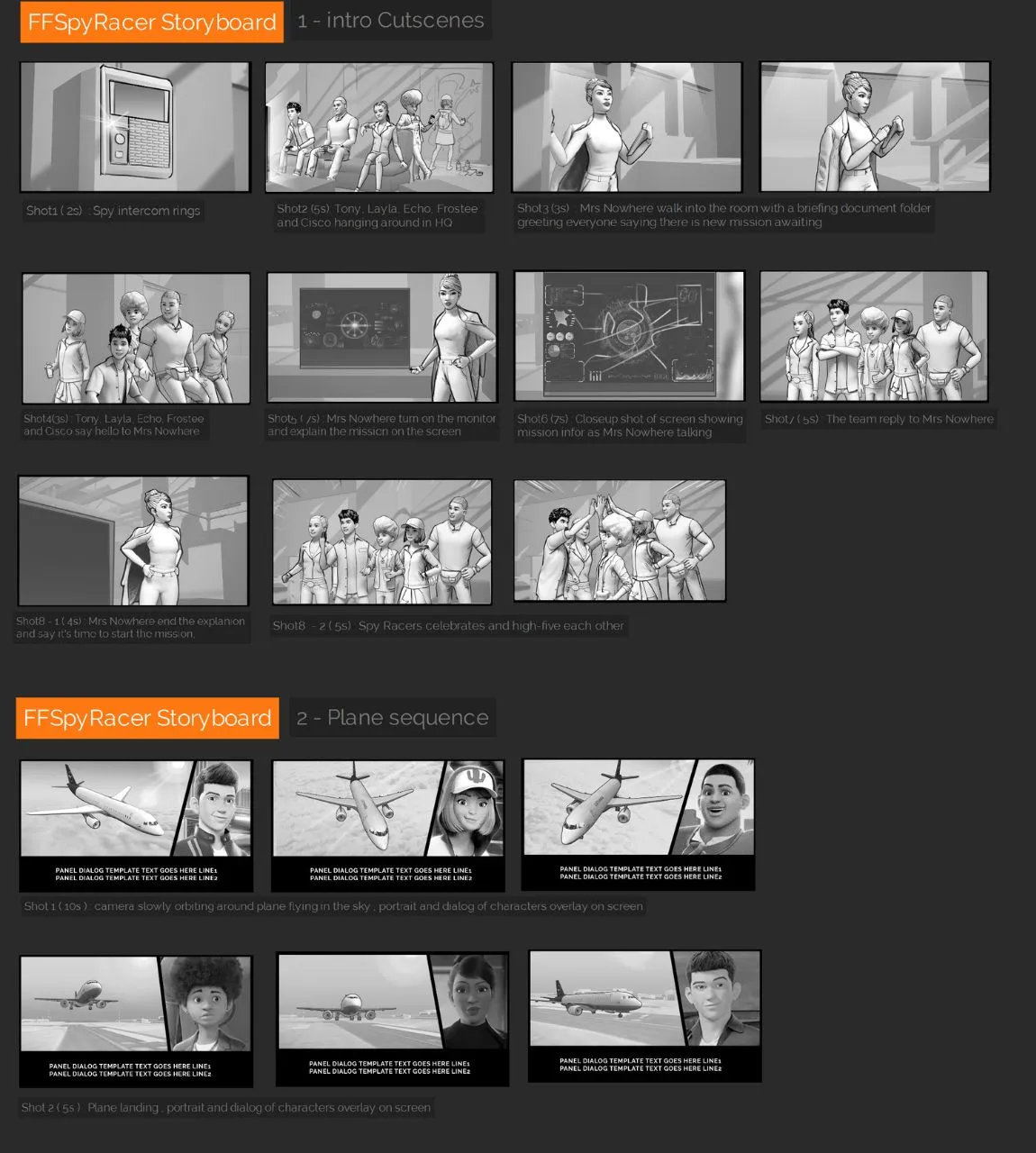
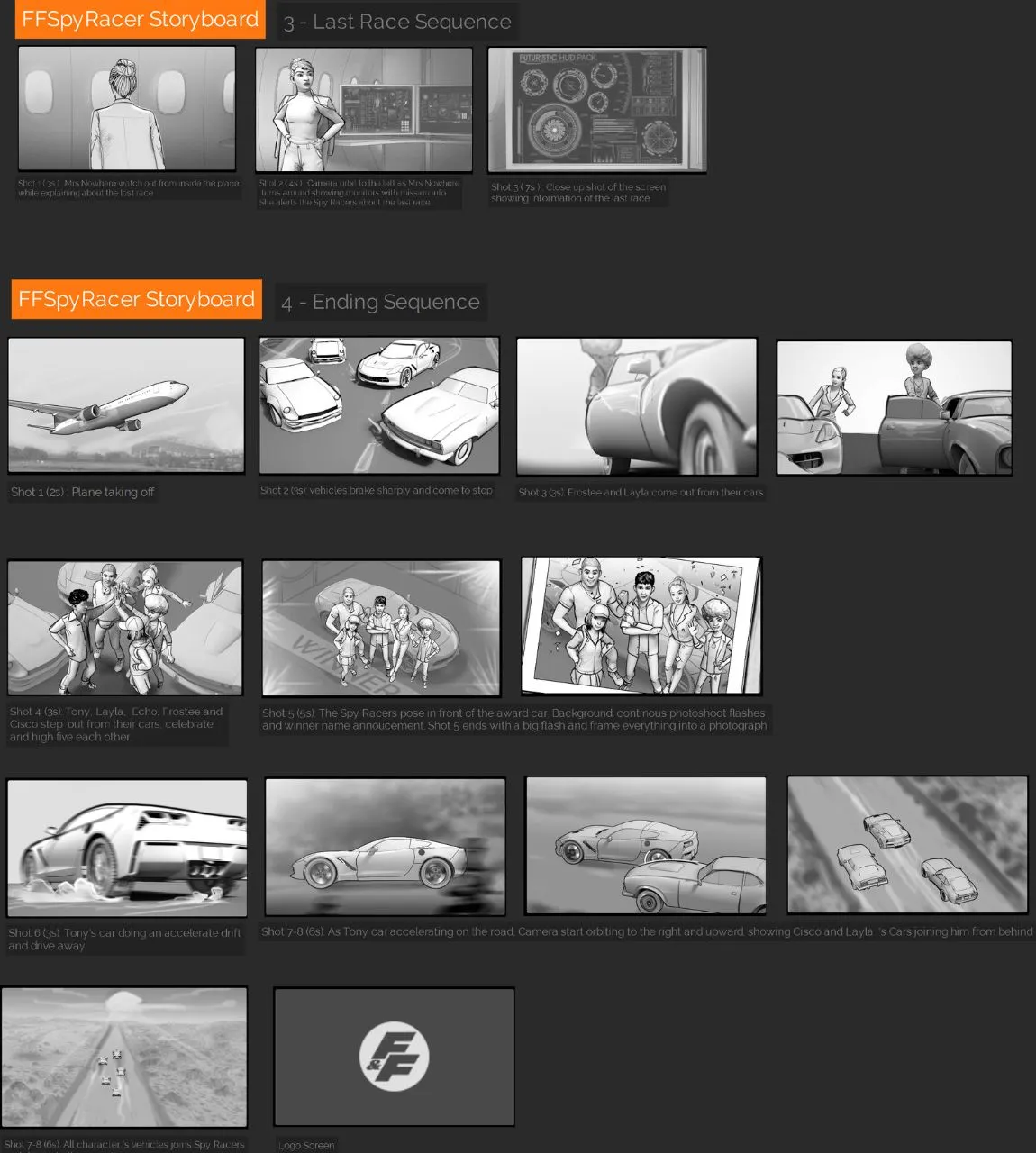
- Animatic and storyboard – define composition, angles, and pacing.
- 3D layout – position characters and camera in-engine.
- Blocking animation – map key actions and timing.
- Polish and refinement – finalize motion, lighting, and effects.
- Integration and testing – ensure smooth playback and performance.
Thunder Cloud’s team works on-site, maintaining strict quality control. Its QA system tracks every stage to ensure efficiency and accuracy. Each cutscene includes full documentation and feedback loops for iteration.
For further insight, visit Unreal Engine Documentation: Making Cinematics and Cutscenes.
The Future of Storytelling through Cutscenes in AAA Games
As AAA games evolve, the role of cutscenes grows too. They are no longer just visual add-ons but essential tools that link gameplay mechanics with emotional storytelling. Real-time rendering and motion capture blur the line between interactive play and film-level visuals, allowing stories to unfold with cinematic depth and emotional weight.
Interactive cutscenes are also gaining traction. They’re easier to integrate, keep players engaged, and allow branching narratives. Developers use them to increase emotional tension, deliver feedback, and shape relationships based on choices. This trend is likely to expand as engines improve interactivity and performance.
Storytelling through cutscenes is rising, giving teams freedom to craft unique visual identities and deeper narrative engagement. As more studios seek to enrich their storytelling through visual and emotional depth, the demand for skilled teams capable of producing complex cutscenes continues to grow. For studios managing multiple titles or expanding their game worlds, game art outsourcing becomes a practical solution to maintain high-quality production, ensure consistency, and scale creative capacity efficiently.
For more on evolving storytelling, see The Evolution of Storytelling in Video Games. This aligns with how professional AAA game art services like Thunder Cloud Studio empower developers to merge animation direction with gameplay for impactful, seamless experiences.
Bringing Your Story to Life
Thunder Cloud Studio helps developers enhance storytelling through in-game cinematics that captivate and inspire.
Explore Our Services for 3D Game CGI, Cinematic and Animation.