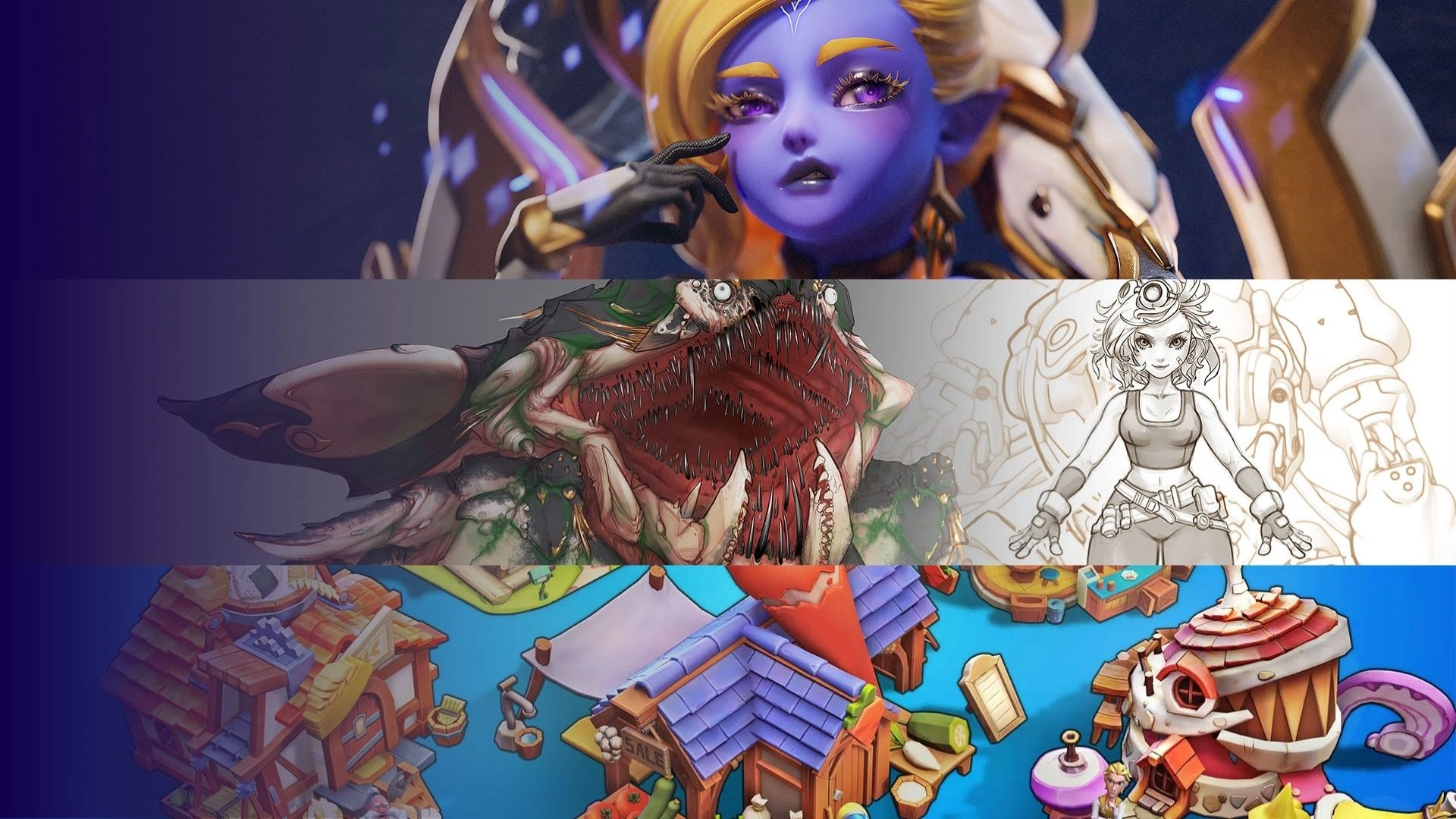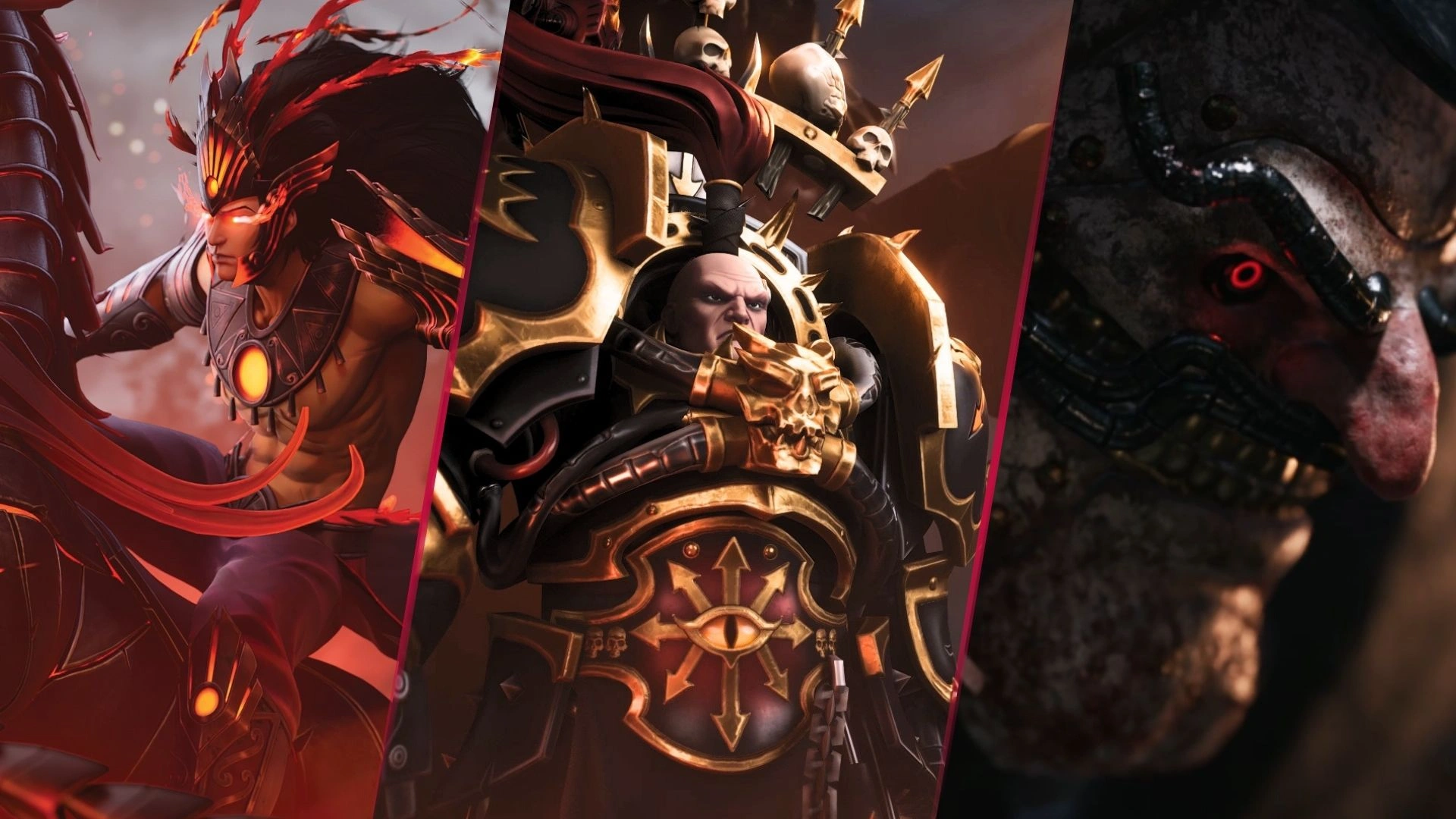


AAA games come in many visual flavors as the industry spans a decently wide range of visuals to suit different tastes and philosophies. The most interesting things in game design are the use of stylized and realistic graphics. This piece examines the individual fact of these two styles, how they build narrative affordances for players and why creatively one may choose from which box to pull.
Why Realistic Graphics in AAA Games Are Compelling
Realistic graphics intend to emulate the look we see in real life, providing an exciting experience for players that is as close to seeing things with your own eyes. The technique will serve the next generation of gaming consoles by using cutting-edge graphics technology to bring highly detailed environments and characters with lifelike lighting, physics simulation/motion blur effects.
So Why Do AAA Titles Tend to Strive for a Realistic Look?
Immersive Experience Realistic graphics do an excellent job in creating a sense of immersion. While titles such as “The Last of Us Part II” and “Red Dead Redemption 2” create incredibly detailed worlds that can pull players in due to their sheer authenticity. The narrative of these games is improved by the visual fidelity, as it provides a tangible canvas for players to ground their experience in reality and relate with the characters or story.
Top-end Technology: AAA titles often have the budget to invest in cutting-edge technology, allowing developers to push the boundaries of graphical fidelity. This pursuit of realism can serve as a showcase of the industry’s technological advancements, attracting a wider audience and generating buzz around the game’s release.
Market Expectations: There is a perception among some gamers that realistic graphics are a hallmark of high-quality, big-budget games. This, in turn, can drive AAA developers to sacrifice more imagination for realism so they provide what players expect and also help them compete better with other similar games on the already tight market.
Emotional Engagement: Realistic visuals can enhance emotional engagement by making characters and environments feel more tangible. This is particularly important in story-driven games where players are meant to empathize with characters and become invested in their journeys.
But achieving this level of realism comes with challenges. That being said, it requires a large amount of time, budget, and manpower in the development process. Moreover, achieving those realistic graphics necessitates high-end hardware which unfortunately restricts access for gamers who do not have the luxury of owning cutting edge gaming systems.
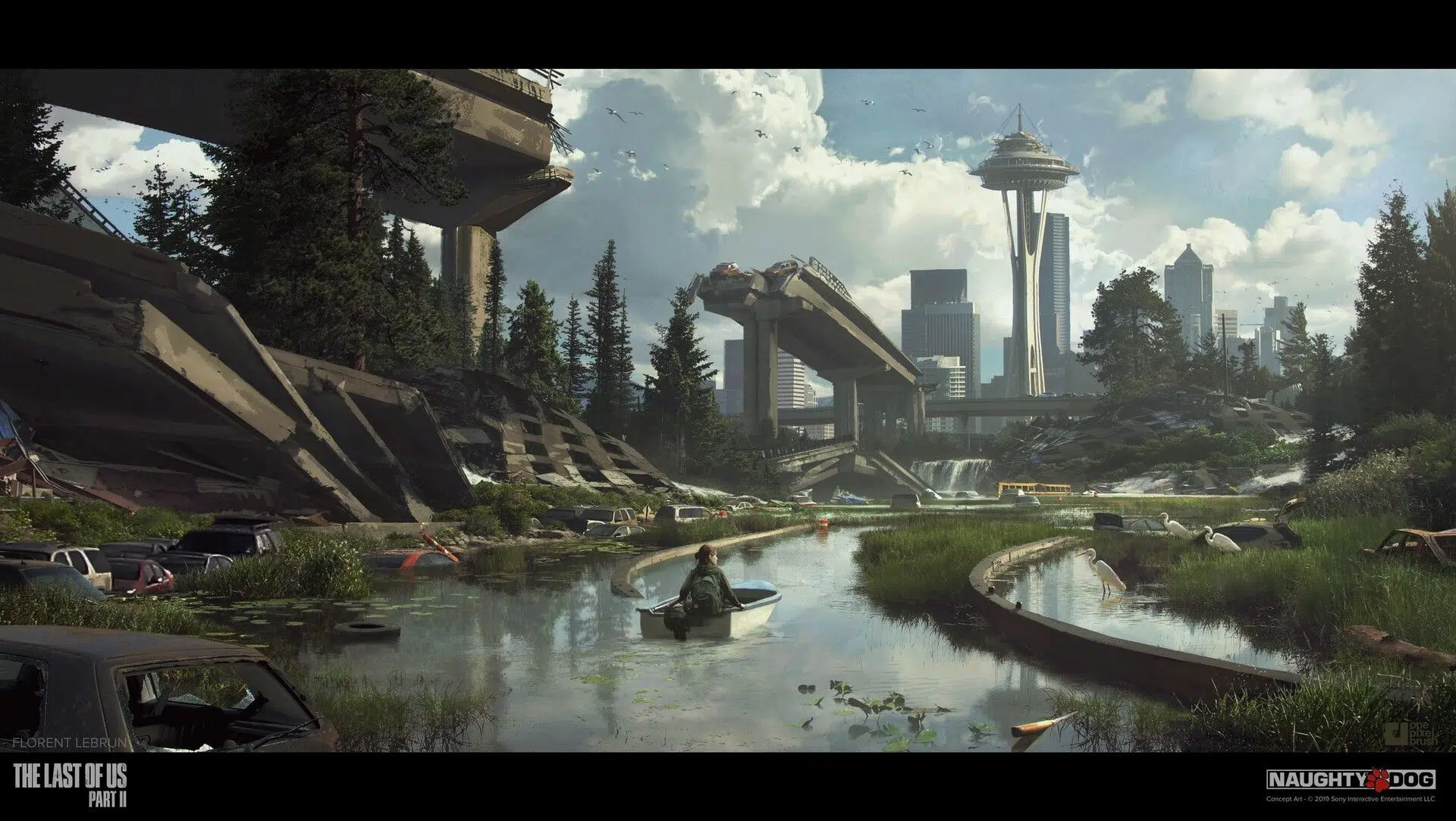
A detailed image of a post-apocalyptic environment from The Last of Us Part II, showcasing realistic graphics.
The Charm of Stylized Graphics in AAA Games
Stylized graphics, on the other hand, put more emphasis on how beautiful something looks rather than realism. This method creates unique art in the form of deliberately exaggerated forms; bold colors will create dynamic and distinctive features to build gaming comfort. The style graphics that have been popular can be traced in games as well known as “Breath of the Wild” or even “Fortnite“
Are Stylized Games Considered AAA?
Absolutely! While realistic graphics are often associated with AAA games, there are several prominent AAA titles that embrace stylized visuals. Those games show that high production values and artistic creativity don’t have to be mutually exclusive. Notable examples include:
The Legend of Zelda: Breath of the Wild – Released along with the Nintendo Switch, this game is known for its gorgeous painterly art style to go along with it’s massive open world and exploration first gameplay. While it was not realistic to begin with, the game serves as an impressively deep and believable experience that has been praised as one of the best of all time both critically by players.
Well, it is Fortnite: A game with the bandwagoner graphics of all Time. Stylized graphics version gives a wide range of character skins and creative environments, making its appeal span across different age groups.
Overwatch: Blizzard’s popular shooter has a unique look and feel, brought to life by its vibrant color palette of stylized character designs as well as environments. Art style follows suit -reflecting the eclectic cast of characters and wide moveset.

Stylized character design from Overwatch, featuring vibrant colors and exaggerated features, showcasing the game’s unique artistic style.
Why Developers Choose Stylized Graphics
Whether a game ends up with stylized or realistic graphics generally depends on the artistic vision of its developers and what works best for various constraints. Here are some of the reasons developers would choose stylized visuals:
Creative Expression: Stylised graphics permit more creative expressiveness. Yes, brokers are developers who can bring down your investment… or yours aloneFinanceIt is possible to be the creators of worlds that depart from typical AAA games invisibility. Players have a better chance of remembering interactions in any new game if the scenes are clearly artistically defined.
Technical Flexibility: Art Styles that are stylized can generally be less resource intensive than their photorealistic counterparts. This means it can service games at a lower barrier to entry, that of course would fall under stylized art. Now besides the late cycle systems, this is especially useful for your broad audience games like those targeting an older or lower powered system.
Cost and Time Efficiency: Developing stylized graphics can be less resource-intensive than creating realistic ones. This can result in reduced development costs and shorter production timelines. For smaller studios or those with budget constraints, this can be a significant factor in the decision-making process.
Timelessness: As mentioned earlier, stylized graphics do not age as quickly as realistic ones. This longevity can extend the shelf life of a game, keeping it visually appealing to new players even years after its release.
How Art Style Choices Affect Game Production
Beyond visual preference, art style decisions often affect production scope, iteration speed, and long-term content scalability.
-
Production scope: Realistic styles usually expand the surface area of production by increasing the number of details that must stay consistent across characters, environments, props, materials, and lighting. Stylized styles can reduce detail obligations, but often require stronger style rules to keep everything cohesive.
-
Asset scale: The more content a game needs over time, the more style choices influence batching and reuse. Some styles make modular kits and reusable materials easier to maintain, while others increase unique asset demand.
-
Iteration speed: Style affects how quickly teams can revise assets after feedback. A style with stricter realism expectations can make changes ripple across textures, shaders, lighting, and set dressing, while stylized work may iterate faster if the rules are clear and repeatable.
-
Outsourcing complexity: Art style impacts how easy it is to brief, review, and scale external production. Some styles require tighter visual governance to prevent drift, while others require deeper technical alignment to meet consistency expectations across large batches.
-
Engine and performance constraints: A chosen style must survive real-time constraints. Material complexity, texture memory, draw calls, and lighting approach can become style-defining limitations once targets are tested in-engine.
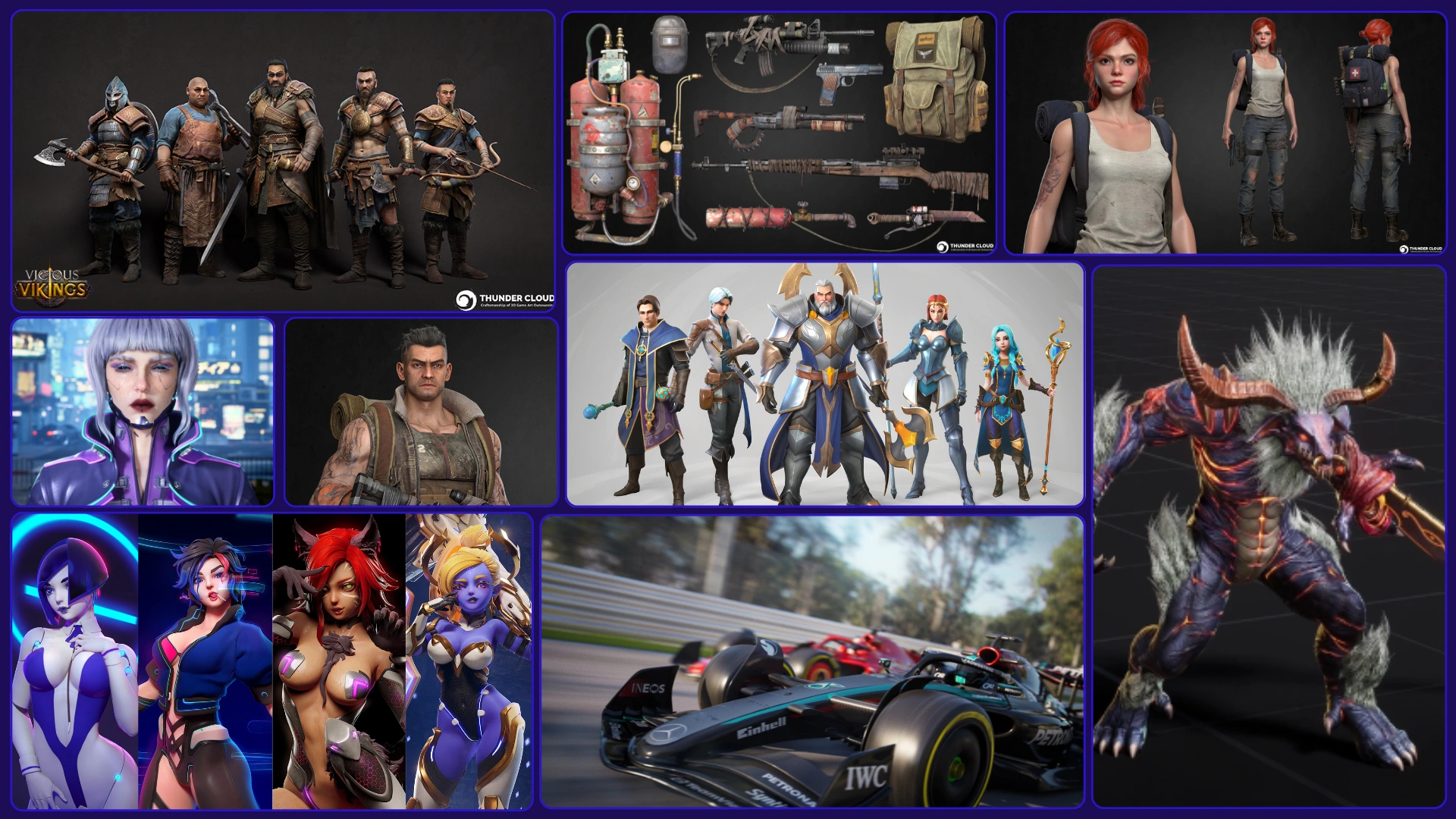
In production, studios often revisit style decisions once constraints become clearer. At Thunder Cloud Studio, art style discussions are usually framed around scope, pipeline fit, and long-term scalability rather than visuals alone.
Choosing the Right Style for Your AAA Game
Video game developers have a big decision to make over whether or not they should utilize realistic graphics as opposed to more stylized ones. It not just affects the visual but also market and game positioning. Realistic graphics give an impression of decent immersion and authenticity while stylized visuals grant absolution from the limits of graphical fidelity (a higher likelihood that it will never grow stale, so to speak).
Whether you prefer the detailed realism of games like “The Last of Us Part II“ or the imaginative worlds of “Breath of the Wild“, the choice of visual style plays a crucial role in shaping your gaming experience. As technology evolves and the gaming industry continues to innovate, both realistic and stylized graphics will remain vital elements of AAA game design
Thunder Cloud’s expertise in creating stylized game art highlights the potential of this approach. By offering comprehensive services, from concept art to final animation, they help developers bring their artistic visions to life, ensuring that stylized games stand out in the competitive AAA market.
As one of the topmost AAA game art outsourcing studios, Thunder Cloud has specialization in creating stylized characters and environments. With this, the studio facilitate work from the conceptualization phase right down to final assembly and optimization when developers are looking for a unique visual identity. The portfolio of Thunder Cloud consists of 2D game art and concept art, 3D character, 3D environment modeling and cinematic, CGI, and animation services, for example character animations as well as trailers or game cinematics.
Ready to bring your game’s visual style to life? Partner with Thunder Cloud to create stunning, stylized graphics that captivate players and stand out in the crowded AAA market. Contact Thunder Cloud today to discuss your project and see how we can help you succeed!