

How a Game Trailer Is Made: From Idea to Final Cinematic Reveal
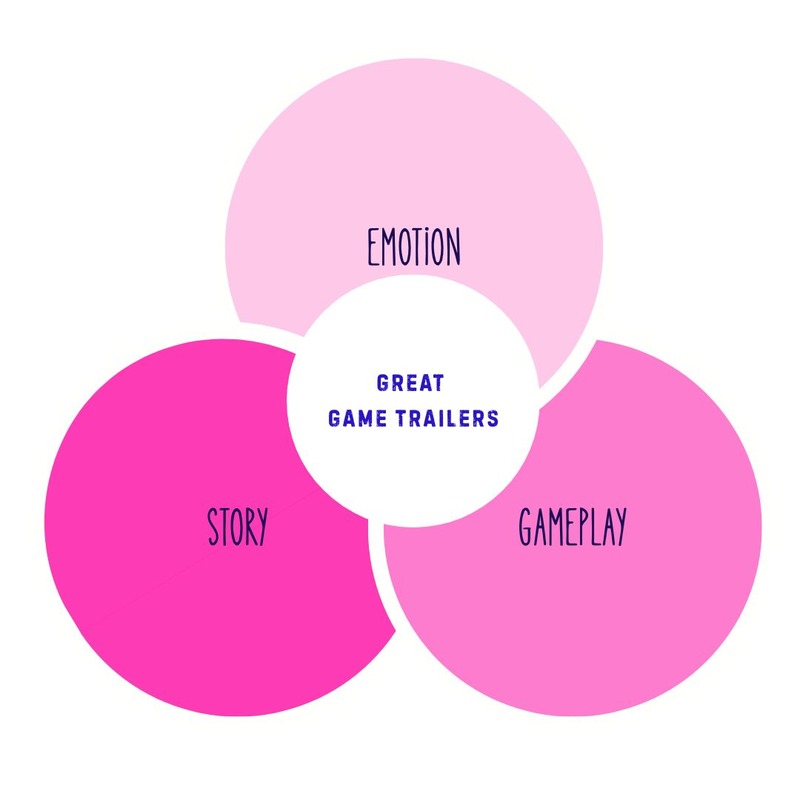
Every great game trailer begins with a vision. It must spark emotion, tell a story, and make players feel what the game is about within seconds. Behind that two-minute experience lies months of planning, art direction, and technical craftsmanship. This article breaks down how a professional studio transforms an idea into a cinematic reveal that captures both audiences and publishers.
What Makes a Great Game Trailer Work
A great trailer balances beauty, clarity, and storytelling. It must introduce the game’s tone, deliver a sense of scale, and end with a strong emotional imprint.
The Psychology Behind Player Engagement
Humans respond to rhythm and emotional contrast. A trailer that alternates between quiet tension and high-intensity action keeps the audience engaged, evoking anticipation and release. Visual cues like light shifts, sound breaks, camera acceleration, and musical sync points create a heartbeat-like cadence that mirrors the player’s emotional experience. Even subtle timing adjustments can transform an ordinary sequence into one that feels cinematic and alive. This rhythm is what keeps viewers watching until the logo reveals, delivering both satisfaction and curiosity for what comes next.
Cinematic Storytelling vs. Gameplay Focus: Finding the Right Balance
Humans respond to rhythm and emotional contrast. A trailer that alternates between quiet tension and high-intensity action keeps the audience engaged, evoking anticipation and release. Visual cues like light shifts, sound breaks, camera acceleration, and musical sync points create a heartbeat-like cadence that mirrors the player’s emotional experience. Even subtle timing adjustments can transform an ordinary sequence into one that feels cinematic and alive. This rhythm is what keeps viewers watching until the logo reveals, delivering both satisfaction and curiosity for what comes next.
Cinematic storytelling creates immersion, while gameplay footage builds trust. Too much cinematic focus might mislead players about the real experience, but a purely gameplay reel may lack excitement. The best trailers combine both: cinematic pacing with authentic mechanics. The ideal balance shows what playing the game feels like while wrapping it in emotional context.
A perfect example for the right balance between Cinematic Storytelling and Gameplay Focus: Warhammer 40,000: Tacticus Trailer Series.
Choosing the Right Trailer Type for Your Game
Different types of trailers serve different purposes. The key is matching format and production style to the game’s marketing goal.
Cinematic Trailers: Building Emotion and Atmosphere
Cinematic trailers create worlds. They are carefully composed, rendered, and directed to tell a visual story that elevates the brand. They often use high-end 3D animation, precise shader work, advanced lighting setups, and physically accurate materials to build emotional weight. Camera choreography, particle simulations, and compositing techniques are also used to reinforce realism and atmosphere. These technical art elements work together to create the visual depth that makes cinematic trailers ideal for game launches and publisher showcases.
In-Game Trailers: Showing Mechanics and Real Gameplay
In-game trailers are produced inside the actual engine, often Unreal or Unity. They use real assets, live gameplay captures, and carefully choreographed camera sequences to maintain authenticity. Lighting adjustments, shader optimization, and post-process effects enhance visual appeal without compromising performance. This approach is gaining traction among studios that want to maximize their existing resources while reducing costs. It also provides players with an accurate feel for what they will experience in-game, showcasing the genuine look and responsiveness of the final product.
Teaser vs. Full Launch Trailer: When to Use Each
Teasers are short, punchy, and designed to intrigue. They often run under 30 seconds and highlight one powerful visual moment or hook. focus on stylized lighting, quick camera motion, and color grading to make each frame instantly striking. Full launch trailers provide narrative context and show multiple facets of the game world. They involve deeper compositing, layered particle effects, and complex animation timing. Teasers build curiosity early in a campaign, while launch trailers deliver the emotional and visual payoff.
Step-by-Step Process of Making a Game Trailer
The making of a game trailer is a carefully orchestrated mix of creativity, storytelling, and technical execution. Each stage builds on the last to craft a cinematic experience that captures a game’s essence and emotional core.
1. Brief: Defining the Creative Direction
Every cinematic trailer starts with a creative brief. The production team studies the game’s narrative, gameplay style, and target audience to define the tone and messaging. This phase sets the foundation for all creative choices ahead, from visual style to pacing and mood. A strong brief ensures alignment between the game studio and trailer team before production begins.
2. Storyboarding: Visualizing the Story
Once the direction is approved, artists begin translating the concept into a storyboard. Each shot is sketched to outline composition, movement, and emotion. This blueprint helps both creative and technical teams align on how the story will unfold visually, maintaining consistency in cinematic storytelling throughout the trailer.
3. Animatic: Timing and Rhythm Preview
The animatic stage brings the storyboard to life. Static frames are sequenced and timed to music or placeholder dialogue, allowing teams to preview pacing, transitions, and emotional flow. The animatic serves as a guide for later editing stages, ensuring the narrative rhythm is consistent from concept to final cut.
4. 3D Layout: Blocking and Camera Planning
The 3D layout phase bridges previsualization and production. Artists import early assets or placeholders into the engine to test camera angles, movement, and spatial relationships. This is where cinematography begins to take shape. The layout establishes scene composition, camera choreography, and character placement in a three-dimensional environment. Adjustments here prevent costly rework later, ensuring that each shot reads clearly and transitions smoothly in the final edit.
5. Look Development (Lookdev): Building the Visual World
Look development defines the final visual quality of the trailer. Artists use real-time tools such as Unreal Engine to refine materials, lighting, and shaders. Character and environment lookdev ensure visual cohesion and set the tone for the trailer’s art direction like realistic, stylized, or hybrid. This stage determines how the game’s world feels and communicates its identity through color, atmosphere, and texture.
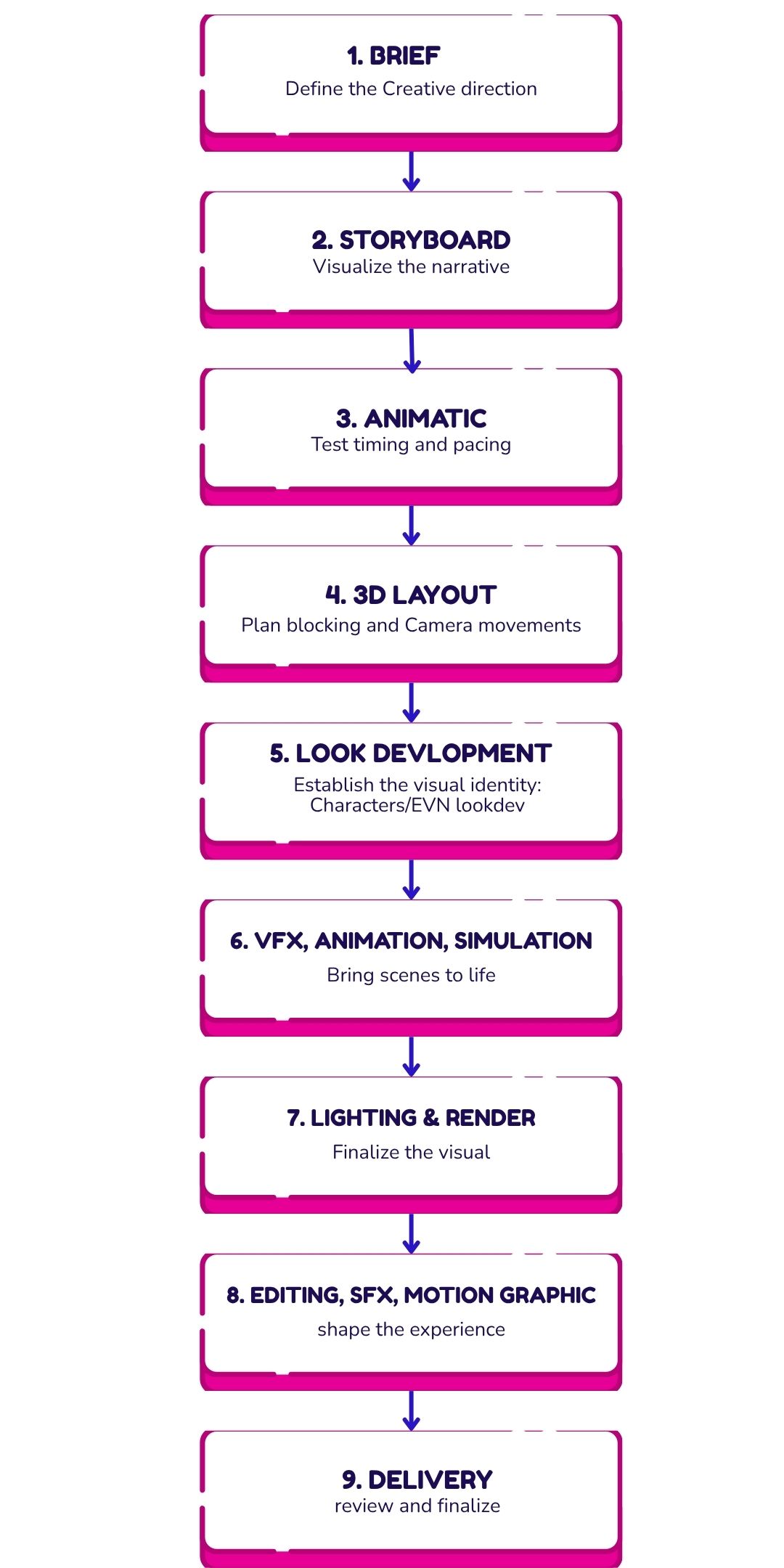
Step-by-Step Process of Making a Game Trailer
6. VFX and Animation: Adding Motion and Energy
In this stage, the VFX artists and animators bring energy and realism to each scene. Character performances, environmental effects, and simulations like dust, magic, or explosions are integrated to elevate the cinematic feel. This step transforms static beauty into motion that resonates emotionally, capturing the heart of the gameplay or narrative moment.
7. Lighting and Render: Finalizing the Cinematic Look
The lighting and render stage defines the trailer’s final visual tone. Artists craft lighting setups that direct viewer attention, enhance mood, and highlight key visual beats. Global illumination, reflections, and atmospheric effects are tuned to create depth and realism. Rendering, whether in-engine or offline, ensures optimal visual fidelity and performance for each platform. This step is where technical artistry and cinematic vision meet.
8. Editing, SFX, and Motion Graphics: Shaping the Final Experience
Editing determines the rhythm of the trailer. Scenes are cut, transitions refined, and timing adjusted to align with musical beats or narrative cues. Sound design and SFX add texture and depth, while motion graphics and title cards deliver key marketing messages such as game titles, logos, or release dates. This fusion of visuals and audio defines the trailer’s emotional impact and memorability.
9. Delivery and Quality Review
Before release, the trailer goes through multiple quality checks for technical polish and storytelling clarity. Once approved, the final output is formatted for multiple platforms, from online streaming to broadcast, all ensuring consistent presentation and performance across every channel.
Optimizing a Game Trailer for Maximum Impact
Hooking Viewers in the First Five Seconds
The opening seconds decide whether a viewer stays or scrolls away. An impactful hook can be a strong sound cue, a powerful visual reveal, or a bold character moment. The first few shots must establish tone immediately and promise an experience worth watching.
Adapting for Platforms (YouTube, Steam, TikTok, Instagram)
Each platform has its own audience behavior. YouTube favors cinematic pacing and high-resolution visuals. Steam audiences look for real gameplay moments. Mobile platforms require shorter, fast-cut versions optimized for vertical formats. A single trailer can be adapted into multiple edits to fit each channel’s rhythm and aspect ratio.
Common Mistakes to Avoid When Making a Game Trailer
Some trailers fail not because of weak assets but because of poor focus. Misaligned tone between trailer and gameplay, overuse of effects, or repetitive pacing can weaken emotional impact. Poor audio mixing can also flatten energy. Ignoring audience preferences is another common mistake. Knowing who the trailer is speaking to is as important as how it looks.
Poor Audio Mix or Repetitive Transitions
Audio is often underestimated. Even a stunning visual can fall flat if sound is unbalanced or transitions repeat too often. Investing time in final sound design and mixing ensures the emotional core remains strong.
Ignoring Target Audience Preferences
A trailer that does not understand its target audience risks losing impact. A mobile game trailer should highlight fast, exciting action, while a strategy game may benefit from slower pacing and emphasis on scale. Tailoring structure and tone to audience expectations is key to conversion success.
Emerging Trends in Game Trailers for 2026
Personalized and Interactive Trailers
Interactive storytelling is beginning to influence marketing. Studios are exploring branching trailers that let viewers choose perspectives or endings. These early experiments create stronger engagement and higher retention rates.
Rise of Short-Form Vertical Trailers
Short-form content continues to dominate social platforms. Studios are now producing 15 to 30-second edits that focus on single powerful moments instead of full narratives. These trailers are perfect for TikTok, Reels, or YouTube Shorts.
Sustainability and Remote Collaboration in Production
Remote collaboration tools allow global teams to work seamlessly on trailers. For publishers, outsourcing parts of production to specialized teams in Southeast Asia or Vietnam offers both creative expertise and cost efficiency. This shift also supports more sustainable workflows by reducing physical studio overheads.
Production Workflow Between Game Studio and Trailer Partner
Data and Asset Preparation from the Game Team
The collaboration begins when the game studio provides reference materials, concept art, and technical data. Clear communication at this stage ensures the trailer team understands both creative intent and gameplay context.
Collaboration Tools and Version Control
From brief to delivery, each step is reviewed and tracked through cloud-based platforms. Tools like SyncSketch and internal QA systems ensure feedback is integrated accurately. Version control helps keep all team members aligned, preventing data conflicts or outdated files.
Maintaining Visual Consistency and Brand Tone
Art direction plays a key role. Lighting, color grading, and composition must all reflect the game’s world. Consistency across shots maintains believability. Regular reviews between studio leads and the client help ensure the trailer’s tone matches the intended brand image.
Final Thoughts: Crafting Emotion That Sells the Vision
A game trailer is more than a highlight reel. It is a condensed emotional journey that reflects the spirit of the game. Every camera move, lighting cue, and edit serves one purpose: to make viewers feel the story before they play it.
As production methods evolve and collaboration across continents becomes easier, studios are finding new ways to build powerful, cinematic trailers that inspire players worldwide.
To explore more about cinematic storytelling and 3D animation workflows,