

In the competitive landscape of AAA game art outsourcing, Asia has established itself as a hub for top-tier talent and innovative studios. Southeast Asia has been gaining traction as a hotspot for game art external development, making it one of the strongest contenders due to its long list of talented and innovative studios. This region has now emerged as a significant player to the world’s gaming industry, with countries like Vietnam and Malaysia providing great art services at competitive prices. The skilled artists, the use of cutting-edge technology and a profound knowledge of different art styles in Southeast Asia has been the reason that numerous game developers around the world prefer to come here for work.
What “AAA-Ready Outsourcing” Actually Means
AAA-ready game art outsourcing is not defined by a few impressive hero assets. In real production, “AAA-ready” usually means the work can plug into an existing pipeline with minimal friction, remain stable through iterative feedback, and scale without quality drift.
Key signals teams typically look for include:
- Pipeline compatibility: assets, file structures, and handoff formats that align with how the client builds and integrates content across disciplines.
- Naming and versioning discipline: consistent conventions, clear iteration tracking, and traceable updates across all asset types.
- Engine validation: assets tested in Unreal, Unity, or the target runtime, not just approved through offline renders.
- Scalable feedback loops: structured review cycles, clear change tracking, and predictable turnaround across production phases.
- Consistency at scale: the ability to maintain the same quality bar across large asset batches, not just initial samples or pilot deliveries
Common Gaps in Asia-Based Outsourcing (From Production Experience)
In Asia-based outsourcing, many teams deliver strong-looking assets. The gaps usually show up later, when production moves from approval to integration and long-term iteration. These issues are common not because of intent, but because of how outsourcing models are often structured.
Common patterns that can appear:
- Assets look good but are not engine-ready: missing validation in the target engine, inconsistent shaders, or integration issues discovered late.
- Limited experience with long-term live production: pipelines that work for short deliveries can break under continuous updates and changing requirements.
- Communication not aligned to sprint logic: feedback arrives without clear priorities, change scopes are not tracked tightly, and iteration costs become unpredictable.
- Inconsistent standards across batches: a strong pilot is delivered, but visual and technical consistency drifts when volume ramps up.
- Documentation gaps: unclear handoff notes, inconsistent folder structure, and missing context that slows the client team down.
What a Stable AAA Outsourcing Workflow Looks Like
AAA-ready outsourcing is not defined by a few impressive hero assets. In real production, it usually means the output can plug into an existing pipeline with minimal friction and stay consistent as scope expands.
AAA production typically requires:
- Pipeline compatibility: asset structure that matches how the client builds and integrates content.
- Naming and handoff clarity: predictable folder logic, naming conventions, and clean iteration history.
- Integration readiness: assets that hold up in the target runtime context, not only in DCC previews.
- Feedback loops that scale: review cycles that remain traceable when volume increases.
- Consistency under scale: stable visual rules across large batches, not just a strong sample set.
1. Thunder Cloud Studio

Country: Vietnam
Year of Establishment: 2013
Team Size: 100+ artists
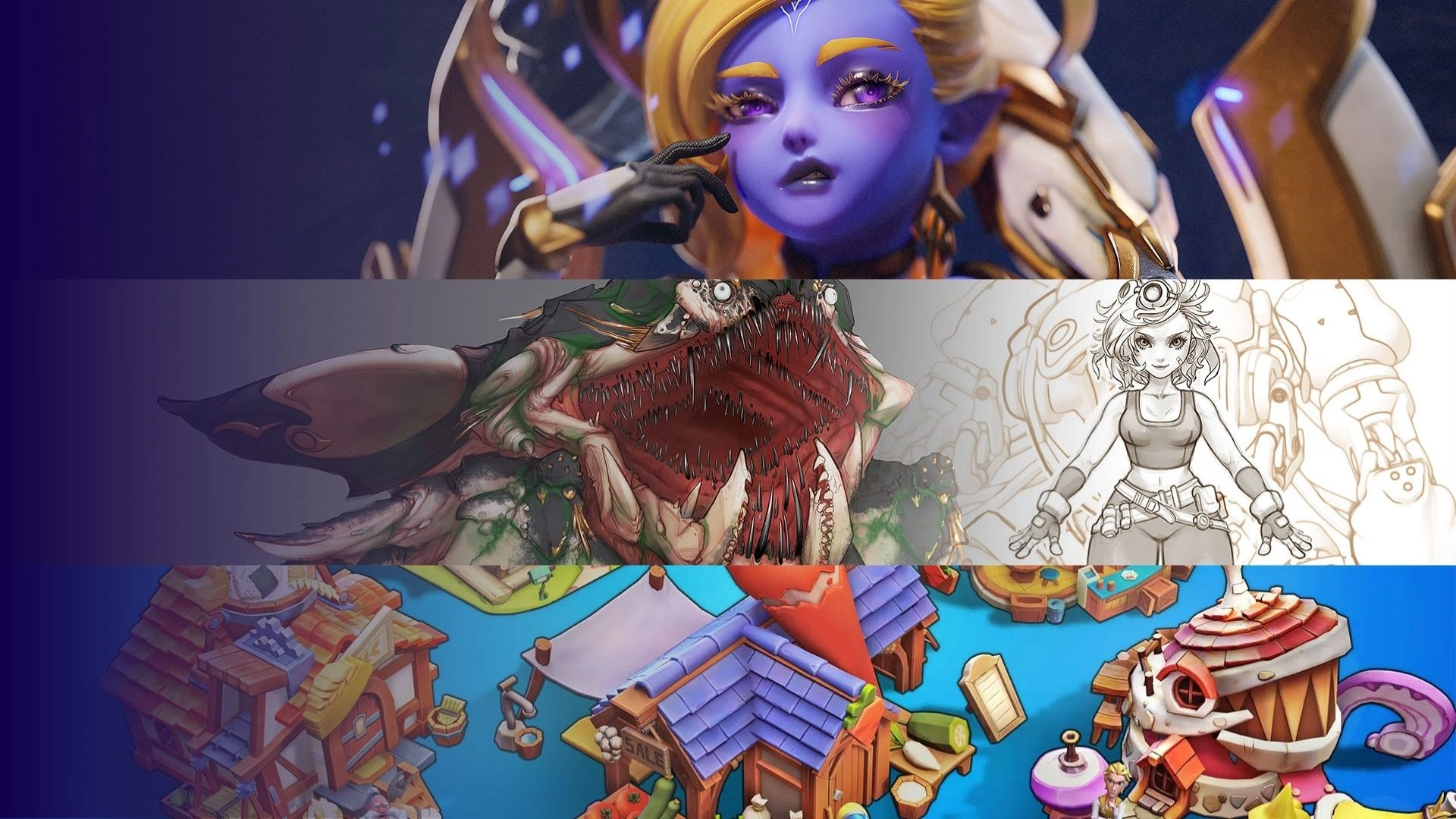
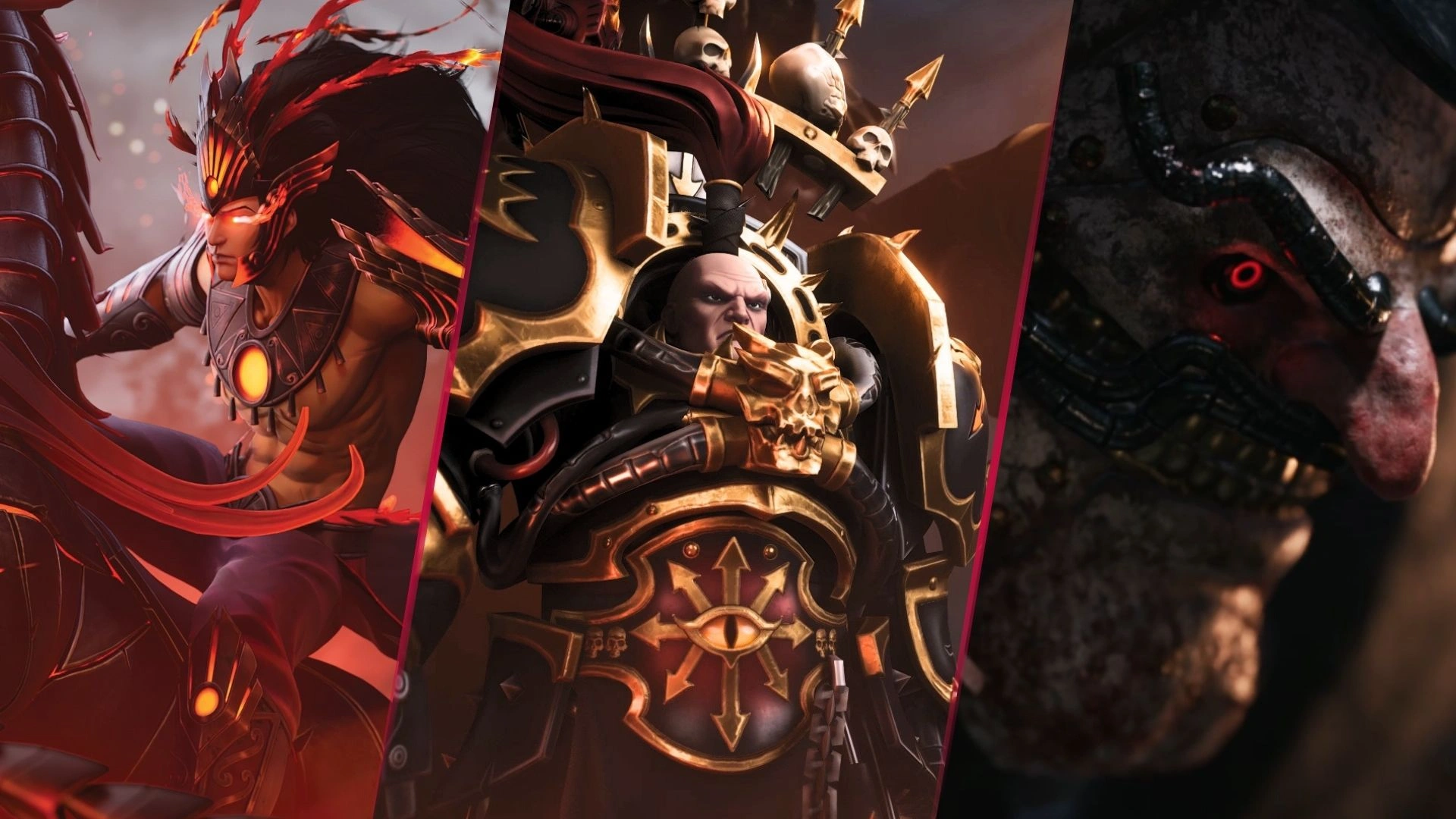
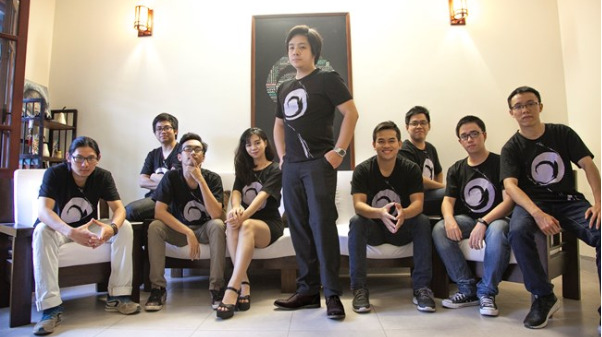
Thunder Cloud Studio is the premier AAA game art outsourcing company, known for its exceptional quality and creative versatility when it comes to quality creative art. Thunder Cloud has more than two hundred projects and clientele from all around the globe, which further proves ThunderCloud as a standout performer. The studio was recently handpicked as one of a small number of best-in-class exclusive partners in Scopely’s Global Trusted Programme, reflecting the high regard it is held in. They have contributed to major projects for big-name companies such as IGG, Yoozoo, Disney, Netflix, Nintendo, and Sanrio, showcasing their diverse capabilities and industry trust.
Why Work with Thunder Cloud Studio
- Consistency for large asset volumes, with an internal process designed to keep quality stable when scope expands.
- Style flexibility across projects, supporting different visual directions without changing the core delivery structure.
- Production coordination support, including planning, milestone tracking, and regular updates to keep work moving smoothly.
- Long-term collaboration fit, often used when teams need ongoing content support rather than one-off deliveries.
2. Glass Egg Digital Media

Country: Vietnam
Year of Establishment: 1999
Team Size: 200+ artists
Glass Egg Digital Media is one of the oldest game art outsourcing studios with over 20 years in business. The studio in question has significant 3D art production strengths, for vehicle and environment modelling specifically. Over the years we have successfully worked with some of industry’s biggest names creating detailed and close to reality assets.
Why Work with Glass Egg Digital Media
- Specialization in vehicles, often associated with hard-surface workflows and mechanical asset needs.
- Experienced team, suitable for studios that require steady support across recurring production tasks.
- Decades of industry presence, which can be helpful for long-running pipelines and sustained collaboration.
3. Lemon Sky Studios

Country: Malaysia
Year of Establishment: 2006
Team Size: 300+ artists
Lemon Sky Studios is a seasoned game art solutions provider that thrives on cutting-edge creativity. Services provided include concept art, 3D asset production and animation. The work of Lemon Sky itself appears to be quite diverse, with a wide range from fantasy art all the way through sci-fi art. This kind of versatility suggests that when the Malaysian studio gets involved in something they have an eye for quality.
Why Should You Use Lemon Sky Studios
- Creative art solutions, supporting a range of visual styles across different game directions.
- Diverse portfolio, often spanning multiple themes from fantasy to sci-fi and beyond.
- Innovative techniques, reflecting a studio setup that can adapt to different production requirements.
4. Streamline Studios
Country: Malaysia
Year of Establishment: 2001
Team Size: 100+ artists
This ability to mix both Eastern and Western artistic influences has helped make Streamline Studios an agile partner for game developers all over the world. Due to the proven track record of delivering top-notch art and technical services for multiple high-profile AAA games that came out in recent years.
Why Work with Streamline Studios
- A co-development and art production studio model, supporting projects that need coordinated delivery across teams.
- Global reach, working with teams across regions and multi-stakeholder production setups.
- Technological expertise, supporting projects that include technical requirements alongside art production.
- Collaborative approach, often framed around coordination with external teams and shared delivery goals.
5. Passion Republic
Country: Malaysia
Year of Establishment: 2009
Team Size: 150+ artists
Passion Republic is dedicated to producing high quality game art, specializing in character design and animation. The studio is well known for its beautiful artistry and commitment to craft that continues to produce engaging, impressive game experiences.
Why Passion Republic?
- Character specialization, commonly positioned around character-focused art and animation needs.
- Passionate team, suitable for studios looking for engaged support across production tasks.
- Industry recognition, reflecting visibility in the broader game development ecosystem.
Choosing the Right Direction
Outsourcing AAA game art in Asia is not just about cost efficiency. It is about finding teams that can align with production standards, scale consistently, and deliver assets that hold up in real game environments.
The difference between a successful collaboration and a failed one often comes down to how well a partner understands real production constraints, from pipeline structure to quality control and communication.
If you are in the process of evaluating potential vendors, the next step is not to look at more portfolios, but to understand how to assess them properly.
Explore Explore how to evaluate a game art outsourcing partner.